
Oxfordshire County Council : Social Care Provider Engagement
Welcome to the Oxfordshire County Council Social Care Engagement Hub.
This is a place for us to share information, consult and co-produce with you and above all discuss what we can all do to improve the lives of the residents of Oxfordshire.
As we develop this space you will find polls, news items, consultations and discussion boards so please make use of it and so please...

Please be sure to leave your comments in the guestbook.
Welcome to the Oxfordshire County Council Social Care Engagement Hub.
This is a place for us to share information, consult and co-produce with you and above all discuss what we can all do to improve the lives of the residents of Oxfordshire.
As we develop this space you will find polls, news items, consultations and discussion boards so please make use of it and so please...
Please be sure to leave your comments in the guestbook.
-
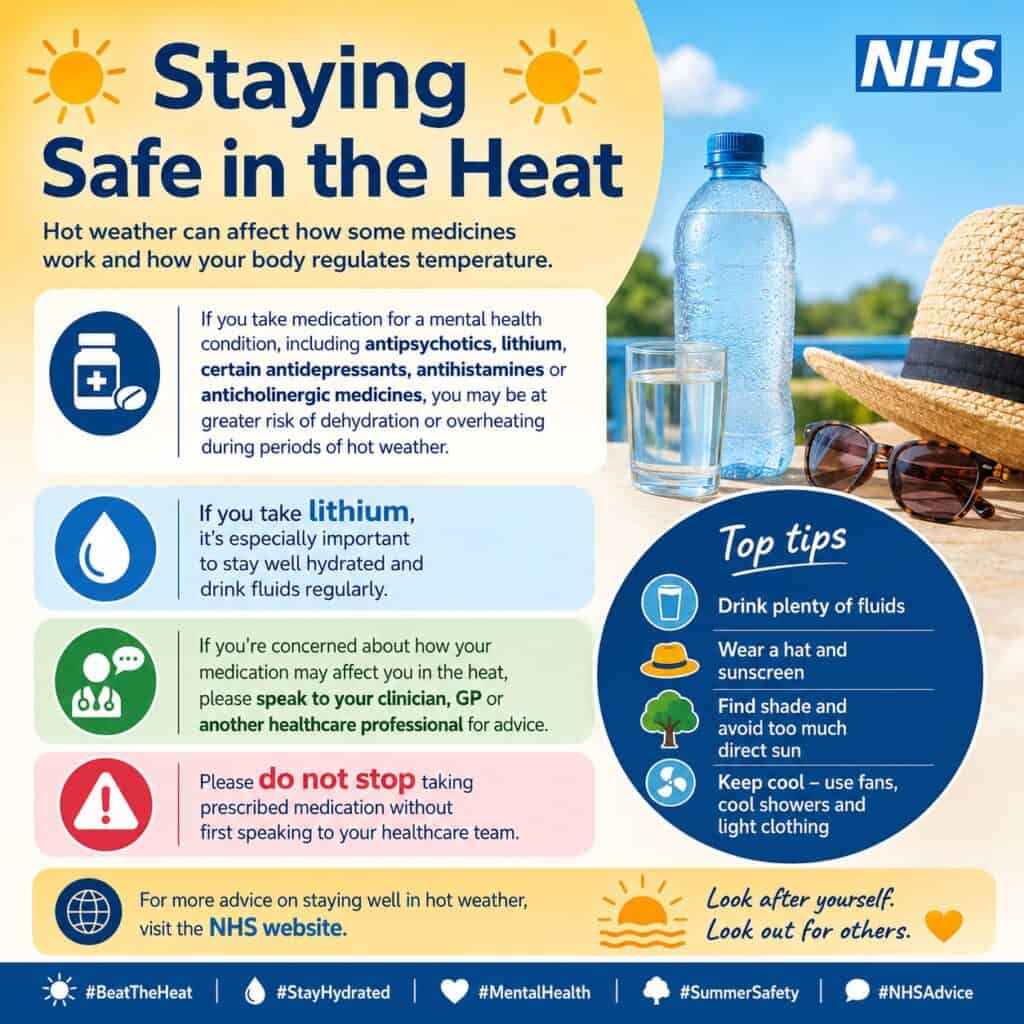
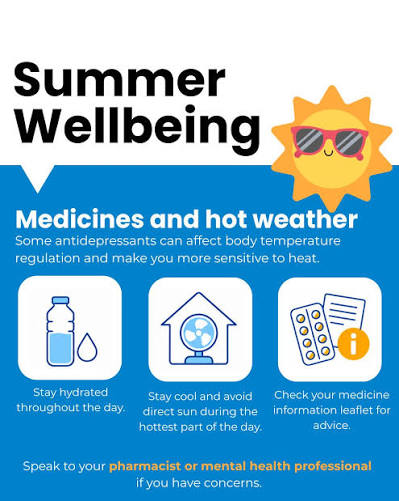
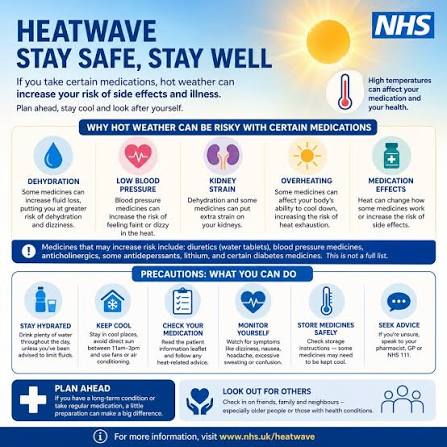
Summer Wellbeing staying safe and well
Share Summer Wellbeing staying safe and well on Facebook Share Summer Wellbeing staying safe and well on X (formerly Twitter) Share Summer Wellbeing staying safe and well on Linkedin Email Summer Wellbeing staying safe and well link -
Update on Oxford’s congestion management schemes
Share Update on Oxford’s congestion management schemes on Facebook Share Update on Oxford’s congestion management schemes on X (formerly Twitter) Share Update on Oxford’s congestion management schemes on Linkedin Email Update on Oxford’s congestion management schemes linkDear colleagues
I’m writing to let you know the traffic filter trial will replace Oxford’s temporary congestion charge on Monday 14 September. This follows the planned reopening of Botley Road at the end of August.
The traffic filter trial will operate in a similar way to the temporary congestion charge, with the traffic filters operating in the same six locations and a permit scheme in place.
However, the key difference is, from 14 September, car drivers will no longer be able to pay the £5 congestion charge to pass through the traffic filters - only permit holders will be able to do so.
The traffic filter trial is designed to further reduce congestion in the city, creating a healthier, more accessible and attractive Oxford. By removing the option for drivers to pay, it aims to further reduce through-traffic and encourage more people to take public transport or use active forms of travel.
All permit holders are being informed directly by email and/or letter about how their permit is being handled. The majority of people with congestion charge permits don’t need to take any action as their permits will be automatically transferred to traffic filter permits.
For people who don’t yet have a permit, applications are now open online.
Traffic filters are being introduced as a trial. A public consultation will open on 14 September, with residents and businesses invited to give feedback on how the scheme is working for them.
People’s feedback is very important to us as it will help us shape our future plans. We are listening and learning as we develop the best long-term solution for traffic in and around Oxford.
More information about the traffic filter scheme is available on our website.
Best regards
Martin Reeves
Dear colleagues
I’m writing to let you know the traffic filter trial will replace Oxford’s temporary congestion charge on Monday 14 September. This follows the planned reopening of Botley Road at the end of August.
The traffic filter trial will operate in a similar way to the temporary congestion charge, with the traffic filters operating in the same six locations and a permit scheme in place.
However, the key difference is, from 14 September, car drivers will no longer be able to pay the £5 congestion charge to pass through the traffic filters - only permit holders will be able to do so.
The traffic filter trial is designed to further reduce congestion in the city, creating a healthier, more accessible and attractive Oxford. By removing the option for drivers to pay, it aims to further reduce through-traffic and encourage more people to take public transport or use active forms of travel.
All permit holders are being informed directly by email and/or letter about how their permit is being handled. The majority of people with congestion charge permits don’t need to take any action as their permits will be automatically transferred to traffic filter permits.
For people who don’t yet have a permit, applications are now open online.
Traffic filters are being introduced as a trial. A public consultation will open on 14 September, with residents and businesses invited to give feedback on how the scheme is working for them.
People’s feedback is very important to us as it will help us shape our future plans. We are listening and learning as we develop the best long-term solution for traffic in and around Oxford.
More information about the traffic filter scheme is available on our website.
Best regards
Martin Reeves
-
OCC Atamis Portal Notification
Share OCC Atamis Portal Notification on Facebook Share OCC Atamis Portal Notification on X (formerly Twitter) Share OCC Atamis Portal Notification on Linkedin Email OCC Atamis Portal Notification linkWe hope this message finds you well.
We are writing to inform you that Oxfordshire County Council has adopted the Atamis Portal as its sole e tendering system with immediate effect.
As a result, all procurement activities undertaken by the Council will now be conducted exclusively via the Atamis Portal. To participate in procurement opportunities, including submitting a tender for the new Staying Well At Home (SWAH) home care framework, your organisation will be required to register an account on the portal. Further details on how to do so are provided below.
To begin, please register using the following link Register Here
Please note that, during registration, you may be prompted to merge your account with an existing organisation. This is based on several criteria, including your email domain name. To ensure accurate identification, please register using your official work email address.
The registration process is straightforward; however, should you require any assistance, the Atamis helpdesk is available to support you using the following details:
- Telephone: +44 29 2280 9277
- Support ticket
Kind regards,
Commercial and Procurement Services
Oxfordshire County CouncilWe hope this message finds you well.
We are writing to inform you that Oxfordshire County Council has adopted the Atamis Portal as its sole e tendering system with immediate effect.
As a result, all procurement activities undertaken by the Council will now be conducted exclusively via the Atamis Portal. To participate in procurement opportunities, including submitting a tender for the new Staying Well At Home (SWAH) home care framework, your organisation will be required to register an account on the portal. Further details on how to do so are provided below.
To begin, please register using the following link Register Here
Please note that, during registration, you may be prompted to merge your account with an existing organisation. This is based on several criteria, including your email domain name. To ensure accurate identification, please register using your official work email address.
The registration process is straightforward; however, should you require any assistance, the Atamis helpdesk is available to support you using the following details:
- Telephone: +44 29 2280 9277
- Support ticket
Kind regards,
Commercial and Procurement Services
Oxfordshire County Council -
Heatwave Advice to Providers
Share Heatwave Advice to Providers on Facebook Share Heatwave Advice to Providers on X (formerly Twitter) Share Heatwave Advice to Providers on Linkedin Email Heatwave Advice to Providers linkIn this heatwave, it’s important to stress just how crucial it is to ensure those you care for remain well hydrated. Regular access to fluids is one of the most effective ways to safeguard vulnerable individuals from the risks posed by extreme heat. Please be vigilant in monitoring their hydration levels and encourage them to drink water frequently throughout the day.
For reliable guidance and useful tips, I recommend visiting the Beat the Heat website as well as resources provided by the UK Health Security Agency. These platforms offer practical information on keeping cool, recognising symptoms of heat-related illnesses, and maintaining health during hot weather. It’s worthwhile to go over these materials with your teams and share them with those you support.
Should you require support from adult social care outside of standard hours, referrals can be made by calling 0800 833 408 after 5pm. Every case is handled with priority and securely recorded, and any necessary follow-up actions are coordinated with daytime teams to ensure thorough support.
Thank you for your continued dedication. Please do reach out if you have any questions or need further assistance. Let’s work together to ensure everyone stays safe and comfortable during this challenging spell of weather.
In this heatwave, it’s important to stress just how crucial it is to ensure those you care for remain well hydrated. Regular access to fluids is one of the most effective ways to safeguard vulnerable individuals from the risks posed by extreme heat. Please be vigilant in monitoring their hydration levels and encourage them to drink water frequently throughout the day.
For reliable guidance and useful tips, I recommend visiting the Beat the Heat website as well as resources provided by the UK Health Security Agency. These platforms offer practical information on keeping cool, recognising symptoms of heat-related illnesses, and maintaining health during hot weather. It’s worthwhile to go over these materials with your teams and share them with those you support.
Should you require support from adult social care outside of standard hours, referrals can be made by calling 0800 833 408 after 5pm. Every case is handled with priority and securely recorded, and any necessary follow-up actions are coordinated with daytime teams to ensure thorough support.
Thank you for your continued dedication. Please do reach out if you have any questions or need further assistance. Let’s work together to ensure everyone stays safe and comfortable during this challenging spell of weather.
-
AMBER heat health alert updated for the South East
Share AMBER heat health alert updated for the South East on Facebook Share AMBER heat health alert updated for the South East on X (formerly Twitter) Share AMBER heat health alert updated for the South East on Linkedin Email AMBER heat health alert updated for the South East linkGuidance for Social Care Managers
Heat-Health Alert action card for health and social care providers - GOV.UK
Heat health alert updated for the South East
The amber heat health alert is in effect from 12PM on 18/06/2026 until 8PM on 23/06/2026 across the South East. The amber alert has a matrix score of 12. This means:
Significant impacts are likely across health and social care services due to the high temperatures, including:- a rise in deaths, particularly among those aged 65 and over or with health conditions. There may also be impacts on younger age groups
- likely increased demand on all health and social care services
- internal temperatures in care settings (hospitals and care homes) may exceed the recommended threshold for clinical risk assessment
- the heat affecting the ability of the workforce to deliver services
- indoor environments overheating increasing the risk to vulnerable people living independently in community and care settings
- issues managing medicines
- staffing issues due to external factors (for example, affecting transport)
- increased demand for power exceeding capacity
- other sector starting to observe impacts (for example, travel delays)
- water-related incidents may increase, including risks from cold-water shock and drowning
You can see all the weather health alerts currently in place across England on the UKHSA data dashboard.
How to take action if you have a duty to respond
Please review the Weather Health Alert System user guidance to explain how you can use the information contained within the alerts to respond to the forecast weather.
We provide guidance on how to take action for a range of professional groups with a duty to respond, with action cards available for commissioners, health and social care providers, voluntary and community sector, and national government. Summary action cards are also available below:
· voluntary and community sector
· care homes and other residential settings
· services delivering care to people in their homes
· hospitals and other healthcare settings
For an overview of the weather alerts in place across England, please check the UKHSA data dashboard.
The Met Office may issue National Severe Weather Warnings (for example, extreme heat) with short notice, so you can take appropriate action. Check the Met Office Website to see the National Severe Weather Warnings currently in place.
You can also find information of the latest weather forecast on the Met Office website.
How to protect yourself if you are vulnerable
While exposure to hot weather can affect anyone, some people are particularly at risk. We have published guidance on staying safe during hot weather.
Planning for adverse weather
All organisations should read the Adverse Weather and Health Plan. This is important if you provide health and social care. The plan explains what you should do before and while a heat health alert is in place.
To support local planning, please check the guidance on local resilience forums.
About heat health alerts
Chief executives of the following organisations in England receive heat health alerts:
· health trust providers of NHS commissioned care
· local authorities
· social care organisations
The Heat-Health Alert Service in England runs from 1 June to 30 September each year, in partnership with the Met Office. This is the period when high temperatures are likely to occur.
If we observe high temperatures outside of this period, we will issue an extraordinary heat health alert. If this happens, stakeholders should take the usual public health actions.
You can share this email with your organisation or sign up to receive alerts using our registration form. We have a separate form if you would like to update your registration details.
Please let us know if you have a question or have a problem with your subscription. You can also unsubscribe from this service.
UKHSA and the Met Office use the Risk Matrix to assign a risk score for each alert. Users can refer the alert’s risk score to the matrix to understand the severity of the alert and likelihood of its impact.
Very low impacts
Low impacts
Medium impacts
High impactsHigh likelihood
4
(green)8
(yellow)13
(amber)16
(red)Medium likelihood
3
(green)7
(yellow)12
(amber)15
(amber)Low likelihood
2
(green)6
(green)10
(yellow)14
(amber)Very low likelihood
1
(green)5
(green)9
(yellow)11
(yellow)Updates to heat health alerts
UKHSA and the Met Office make daily risk assessments. We will issue a new alert should the alert level change.
Further Advice and guidance
*******************************************************************************************
The information contained in the Email and any attachments is confidential and intended solely and for the attention and use of the named addressee(s). It may not be disclosed to any other person without the express authority of the UKHSA, or the intended recipient or both. If you are not the intended recipient, you must not disclose, copy, distribute or retain this message or any part of it. This footnote also confirms that this Email has been swept for computer viruses by Exchange Online Protection, but please re-sweep any attachments before opening or saving. UK Health Security Agency -(https://www.gov.uk/government/organisations/uk-health-security-agency)
Guidance for Social Care Managers
Heat-Health Alert action card for health and social care providers - GOV.UK
Heat health alert updated for the South East
The amber heat health alert is in effect from 12PM on 18/06/2026 until 8PM on 23/06/2026 across the South East. The amber alert has a matrix score of 12. This means:
Significant impacts are likely across health and social care services due to the high temperatures, including:- a rise in deaths, particularly among those aged 65 and over or with health conditions. There may also be impacts on younger age groups
- likely increased demand on all health and social care services
- internal temperatures in care settings (hospitals and care homes) may exceed the recommended threshold for clinical risk assessment
- the heat affecting the ability of the workforce to deliver services
- indoor environments overheating increasing the risk to vulnerable people living independently in community and care settings
- issues managing medicines
- staffing issues due to external factors (for example, affecting transport)
- increased demand for power exceeding capacity
- other sector starting to observe impacts (for example, travel delays)
- water-related incidents may increase, including risks from cold-water shock and drowning
You can see all the weather health alerts currently in place across England on the UKHSA data dashboard.
How to take action if you have a duty to respond
Please review the Weather Health Alert System user guidance to explain how you can use the information contained within the alerts to respond to the forecast weather.
We provide guidance on how to take action for a range of professional groups with a duty to respond, with action cards available for commissioners, health and social care providers, voluntary and community sector, and national government. Summary action cards are also available below:
· voluntary and community sector
· care homes and other residential settings
· services delivering care to people in their homes
· hospitals and other healthcare settings
For an overview of the weather alerts in place across England, please check the UKHSA data dashboard.
The Met Office may issue National Severe Weather Warnings (for example, extreme heat) with short notice, so you can take appropriate action. Check the Met Office Website to see the National Severe Weather Warnings currently in place.
You can also find information of the latest weather forecast on the Met Office website.
How to protect yourself if you are vulnerable
While exposure to hot weather can affect anyone, some people are particularly at risk. We have published guidance on staying safe during hot weather.
Planning for adverse weather
All organisations should read the Adverse Weather and Health Plan. This is important if you provide health and social care. The plan explains what you should do before and while a heat health alert is in place.
To support local planning, please check the guidance on local resilience forums.
About heat health alerts
Chief executives of the following organisations in England receive heat health alerts:
· health trust providers of NHS commissioned care
· local authorities
· social care organisations
The Heat-Health Alert Service in England runs from 1 June to 30 September each year, in partnership with the Met Office. This is the period when high temperatures are likely to occur.
If we observe high temperatures outside of this period, we will issue an extraordinary heat health alert. If this happens, stakeholders should take the usual public health actions.
You can share this email with your organisation or sign up to receive alerts using our registration form. We have a separate form if you would like to update your registration details.
Please let us know if you have a question or have a problem with your subscription. You can also unsubscribe from this service.
UKHSA and the Met Office use the Risk Matrix to assign a risk score for each alert. Users can refer the alert’s risk score to the matrix to understand the severity of the alert and likelihood of its impact.
Very low impacts
Low impacts
Medium impacts
High impactsHigh likelihood
4
(green)8
(yellow)13
(amber)16
(red)Medium likelihood
3
(green)7
(yellow)12
(amber)15
(amber)Low likelihood
2
(green)6
(green)10
(yellow)14
(amber)Very low likelihood
1
(green)5
(green)9
(yellow)11
(yellow)Updates to heat health alerts
UKHSA and the Met Office make daily risk assessments. We will issue a new alert should the alert level change.
Further Advice and guidance
*******************************************************************************************
The information contained in the Email and any attachments is confidential and intended solely and for the attention and use of the named addressee(s). It may not be disclosed to any other person without the express authority of the UKHSA, or the intended recipient or both. If you are not the intended recipient, you must not disclose, copy, distribute or retain this message or any part of it. This footnote also confirms that this Email has been swept for computer viruses by Exchange Online Protection, but please re-sweep any attachments before opening or saving. UK Health Security Agency -(https://www.gov.uk/government/organisations/uk-health-security-agency)
-
The Care Connection returns for 2026
Share The Care Connection returns for 2026 on Facebook Share The Care Connection returns for 2026 on X (formerly Twitter) Share The Care Connection returns for 2026 on Linkedin Email The Care Connection returns for 2026 link
Save the date: 18th November 2026
Save the date: 18th November 2026
-
YELLOW heat health alert issued for the South East
Share YELLOW heat health alert issued for the South East on Facebook Share YELLOW heat health alert issued for the South East on X (formerly Twitter) Share YELLOW heat health alert issued for the South East on Linkedin Email YELLOW heat health alert issued for the South East linkCLOSED: This discussion has concluded.Heat health alert issued for the South East
The yellow heat health alert is in effect from 3PM on 17/06/2026 until 8PM on 22/06/2026 across the South East. The yellow alert has a matrix score of 7. This means:
Minor impacts are likely across health and social care services, including:- increased use of healthcare services by vulnerable people
- greater risk to life of vulnerable people
- increased potential for indoor environments to become very warm
- water-related incidents may increase, including risks from cold-water shock and drowning
You can see all the weather health alerts currently in place across England on the UKHSA data dashboard.
How to take action if you have a duty to respond
Please review the Weather Health Alert System user guidance to explain how you can use the information contained within the alerts to respond to the forecast weather.
We provide guidance on how to take action for a range of professional groups with a duty to respond, with action cards available for commissioners, health and social care providers, voluntary and community sector, and national government. Summary action cards are also available below:
· voluntary and community sector
· care homes and other residential settings
· services delivering care to people in their homes
· hospitals and other healthcare settings
For an overview of the weather alerts in place across England, please check the UKHSA data dashboard.
The Met Office may issue National Severe Weather Warnings (for example, extreme heat) with short notice, so you can take appropriate action. Check the Met Office Website to see the National Severe Weather Warnings currently in place.
You can also find information of the latest weather forecast on the Met Office website.
How to protect yourself if you are vulnerable
While exposure to hot weather can affect anyone, some people are particularly at risk. We have published guidance on staying safe during hot weather.
Planning for adverse weather
All organisations should read the Adverse Weather and Health Plan. This is important if you provide health and social care. The plan explains what you should do before and while a heat health alert is in place.
To support local planning, please check the guidance on local resilience forums.
About heat health alerts
Chief executives of the following organisations in England receive heat health alerts:
· health trust providers of NHS commissioned care
· local authorities
· social care organisations
The Heat-Health Alert Service in England runs from 1 June to 30 September each year, in partnership with the Met Office. This is the period when high temperatures are likely to occur.
If we observe high temperatures outside of this period, we will issue an extraordinary heat health alert. If this happens, stakeholders should take the usual public health actions.
You can share this email with your organisation or sign up to receive alerts using our registration form. We have a separate form if you would like to update your registration details.
Please let us know if you have a question or have a problem with your subscription. You can also unsubscribe from this service.
UKHSA and the Met Office use the Risk Matrix to assign a risk score for each alert. Users can refer the alert’s risk score to the matrix to understand the severity of the alert and likelihood of its impact.
Very low impacts
Low impacts
Medium impacts
High impactsHigh likelihood
4
(green)8
(yellow)13
(amber)16
(red)Medium likelihood
3
(green)7
(yellow)12
(amber)15
(amber)Low likelihood
2
(green)6
(green)10
(yellow)14
(amber)Very low likelihood
1
(green)5
(green)9
(yellow)11
(yellow)Updates to heat health alerts
UKHSA and the Met Office make daily risk assessments. We will issue a new alert should the alert level change.
Further Advice and guidance
*******************************************************************************************
The information contained in the Email and any attachments is confidential and intended solely and for the attention and use of the named addressee(s). It may not be disclosed to any other person without the express authority of the UKHSA, or the intended recipient or both. If you are not the intended recipient, you must not disclose, copy, distribute or retain this message or any part of it. This footnote also confirms that this Email has been swept for computer viruses by Exchange Online Protection, but please re-sweep any attachments before opening or saving. UK Health Security Agency -(https://www.gov.uk/government/organisations/uk-health-security-agency)
Heat health alert issued for the South East
The yellow heat health alert is in effect from 3PM on 17/06/2026 until 8PM on 22/06/2026 across the South East. The yellow alert has a matrix score of 7. This means:
Minor impacts are likely across health and social care services, including:- increased use of healthcare services by vulnerable people
- greater risk to life of vulnerable people
- increased potential for indoor environments to become very warm
- water-related incidents may increase, including risks from cold-water shock and drowning
You can see all the weather health alerts currently in place across England on the UKHSA data dashboard.
How to take action if you have a duty to respond
Please review the Weather Health Alert System user guidance to explain how you can use the information contained within the alerts to respond to the forecast weather.
We provide guidance on how to take action for a range of professional groups with a duty to respond, with action cards available for commissioners, health and social care providers, voluntary and community sector, and national government. Summary action cards are also available below:
· voluntary and community sector
· care homes and other residential settings
· services delivering care to people in their homes
· hospitals and other healthcare settings
For an overview of the weather alerts in place across England, please check the UKHSA data dashboard.
The Met Office may issue National Severe Weather Warnings (for example, extreme heat) with short notice, so you can take appropriate action. Check the Met Office Website to see the National Severe Weather Warnings currently in place.
You can also find information of the latest weather forecast on the Met Office website.
How to protect yourself if you are vulnerable
While exposure to hot weather can affect anyone, some people are particularly at risk. We have published guidance on staying safe during hot weather.
Planning for adverse weather
All organisations should read the Adverse Weather and Health Plan. This is important if you provide health and social care. The plan explains what you should do before and while a heat health alert is in place.
To support local planning, please check the guidance on local resilience forums.
About heat health alerts
Chief executives of the following organisations in England receive heat health alerts:
· health trust providers of NHS commissioned care
· local authorities
· social care organisations
The Heat-Health Alert Service in England runs from 1 June to 30 September each year, in partnership with the Met Office. This is the period when high temperatures are likely to occur.
If we observe high temperatures outside of this period, we will issue an extraordinary heat health alert. If this happens, stakeholders should take the usual public health actions.
You can share this email with your organisation or sign up to receive alerts using our registration form. We have a separate form if you would like to update your registration details.
Please let us know if you have a question or have a problem with your subscription. You can also unsubscribe from this service.
UKHSA and the Met Office use the Risk Matrix to assign a risk score for each alert. Users can refer the alert’s risk score to the matrix to understand the severity of the alert and likelihood of its impact.
Very low impacts
Low impacts
Medium impacts
High impactsHigh likelihood
4
(green)8
(yellow)13
(amber)16
(red)Medium likelihood
3
(green)7
(yellow)12
(amber)15
(amber)Low likelihood
2
(green)6
(green)10
(yellow)14
(amber)Very low likelihood
1
(green)5
(green)9
(yellow)11
(yellow)Updates to heat health alerts
UKHSA and the Met Office make daily risk assessments. We will issue a new alert should the alert level change.
Further Advice and guidance
*******************************************************************************************
The information contained in the Email and any attachments is confidential and intended solely and for the attention and use of the named addressee(s). It may not be disclosed to any other person without the express authority of the UKHSA, or the intended recipient or both. If you are not the intended recipient, you must not disclose, copy, distribute or retain this message or any part of it. This footnote also confirms that this Email has been swept for computer viruses by Exchange Online Protection, but please re-sweep any attachments before opening or saving. UK Health Security Agency -(https://www.gov.uk/government/organisations/uk-health-security-agency)
-
AMBER heat health alert updated for the South East
Share AMBER heat health alert updated for the South East on Facebook Share AMBER heat health alert updated for the South East on X (formerly Twitter) Share AMBER heat health alert updated for the South East on Linkedin Email AMBER heat health alert updated for the South East linkCLOSED: This discussion has concluded.Heat summary - supporting vulnerable people: social care managers - GOV.UK
Heat-Health Alert action card for health and social care providers - GOV.UK
Supporting vulnerable people before and during hot weather: social care managers - GOV.UK
Keeping cool in heat waves | Oxfordshire County Council
Beat the heat: staying safe in hot weather - GOV.UK
Heat health alert updated for the South East
The amber heat health alert is in effect from 10AM on 26/05/2026 until 5PM on 28/05/2026 across the South East. The amber alert has a matrix score of 12. This means:
Significant impacts are likely across health and social care services due to the high temperatures, including:- a rise in deaths, particularly among those aged 65 and over or with health conditions. There may also be impacts on younger age groups
- likely increased demand on all health and social care services
- internal temperatures in care settings (hospitals and care homes) may exceed the recommended threshold for clinical risk assessment
- the heat affecting the ability of the workforce to deliver services
- indoor environments overheating increasing the risk to vulnerable people living independently in community and care settings
- issues managing medicines
- staffing issues due to external factors (for example, affecting transport)
- increased demand for power exceeding capacity
- other sector starting to observe impacts (for example, travel delays)
- water-related incidents may increase, including risks from cold-water shock and drowning
You can see all the weather health alerts currently in place across England on the UKHSA data dashboard.
How to take action if you have a duty to respond
Please review the Weather Health Alert System user guidance to explain how you can use the information contained within the alerts to respond to the forecast weather.
We provide guidance on how to take action for a range of professional groups with a duty to respond, with action cards available for commissioners, health and social care providers, voluntary and community sector, and national government. Summary action cards are also available below:
· voluntary and community sector
· care homes and other residential settings
· services delivering care to people in their homes
· hospitals and other healthcare settings
For an overview of the weather alerts in place across England, please check the UKHSA data dashboard.
The Met Office may issue National Severe Weather Warnings (for example, extreme heat) with short notice, so you can take appropriate action. Check the Met Office Website to see the National Severe Weather Warnings currently in place.
You can also find information of the latest weather forecast on the Met Office website.
How to protect yourself if you are vulnerable
While exposure to hot weather can affect anyone, some people are particularly at risk. We have published guidance on staying safe during hot weather.
Planning for adverse weather
All organisations should read the Adverse Weather and Health Plan. This is important if you provide health and social care. The plan explains what you should do before and while a heat health alert is in place.
To support local planning, please check the guidance on local resilience forums.
About heat health alerts
Chief executives of the following organisations in England receive heat health alerts:
· health trust providers of NHS commissioned care
· local authorities
· social care organisations
The Heat-Health Alert Service in England runs from 1 June to 30 September each year, in partnership with the Met Office. This is the period when high temperatures are likely to occur.
If we observe high temperatures outside of this period, we will issue an extraordinary heat health alert. If this happens, stakeholders should take the usual public health actions.
You can share this email with your organisation or sign up to receive alerts using our registration form. We have a separate form if you would like to update your registration details.
Please let us know if you have a question or have a problem with your subscription. You can also unsubscribe from this service.
UKHSA and the Met Office use the Risk Matrix to assign a risk score for each alert. Users can refer the alert’s risk score to the matrix to understand the severity of the alert and likelihood of its impact.
Very low impacts
Low impacts
Medium impacts
High impactsHigh likelihood
4
(green)8
(yellow)13
(amber)16
(red)Medium likelihood
3
(green)7
(yellow)12
(amber)15
(amber)Low likelihood
2
(green)6
(green)10
(yellow)14
(amber)Very low likelihood
1
(green)5
(green)9
(yellow)11
(yellow)Updates to heat health alerts
UKHSA and the Met Office make daily risk assessments. We will issue a new alert should the alert level change.
Further Advice and guidance
*******************************************************************************************
The information contained in the Email and any attachments is confidential and intended solely and for the attention and use of the named addressee(s). It may not be disclosed to any other person without the express authority of the UKHSA, or the intended recipient or both. If you are not the intended recipient, you must not disclose, copy, distribute or retain this message or any part of it. This footnote also confirms that this Email has been swept for computer viruses by Exchange Online Protection, but please re-sweep any attachments before opening or saving. UK Health Security Agency -(https://www.gov.uk/government/organisations/uk-health-security-agency)
Heat summary - supporting vulnerable people: social care managers - GOV.UK
Heat-Health Alert action card for health and social care providers - GOV.UK
Supporting vulnerable people before and during hot weather: social care managers - GOV.UK
Keeping cool in heat waves | Oxfordshire County Council
Beat the heat: staying safe in hot weather - GOV.UK
Heat health alert updated for the South East
The amber heat health alert is in effect from 10AM on 26/05/2026 until 5PM on 28/05/2026 across the South East. The amber alert has a matrix score of 12. This means:
Significant impacts are likely across health and social care services due to the high temperatures, including:- a rise in deaths, particularly among those aged 65 and over or with health conditions. There may also be impacts on younger age groups
- likely increased demand on all health and social care services
- internal temperatures in care settings (hospitals and care homes) may exceed the recommended threshold for clinical risk assessment
- the heat affecting the ability of the workforce to deliver services
- indoor environments overheating increasing the risk to vulnerable people living independently in community and care settings
- issues managing medicines
- staffing issues due to external factors (for example, affecting transport)
- increased demand for power exceeding capacity
- other sector starting to observe impacts (for example, travel delays)
- water-related incidents may increase, including risks from cold-water shock and drowning
You can see all the weather health alerts currently in place across England on the UKHSA data dashboard.
How to take action if you have a duty to respond
Please review the Weather Health Alert System user guidance to explain how you can use the information contained within the alerts to respond to the forecast weather.
We provide guidance on how to take action for a range of professional groups with a duty to respond, with action cards available for commissioners, health and social care providers, voluntary and community sector, and national government. Summary action cards are also available below:
· voluntary and community sector
· care homes and other residential settings
· services delivering care to people in their homes
· hospitals and other healthcare settings
For an overview of the weather alerts in place across England, please check the UKHSA data dashboard.
The Met Office may issue National Severe Weather Warnings (for example, extreme heat) with short notice, so you can take appropriate action. Check the Met Office Website to see the National Severe Weather Warnings currently in place.
You can also find information of the latest weather forecast on the Met Office website.
How to protect yourself if you are vulnerable
While exposure to hot weather can affect anyone, some people are particularly at risk. We have published guidance on staying safe during hot weather.
Planning for adverse weather
All organisations should read the Adverse Weather and Health Plan. This is important if you provide health and social care. The plan explains what you should do before and while a heat health alert is in place.
To support local planning, please check the guidance on local resilience forums.
About heat health alerts
Chief executives of the following organisations in England receive heat health alerts:
· health trust providers of NHS commissioned care
· local authorities
· social care organisations
The Heat-Health Alert Service in England runs from 1 June to 30 September each year, in partnership with the Met Office. This is the period when high temperatures are likely to occur.
If we observe high temperatures outside of this period, we will issue an extraordinary heat health alert. If this happens, stakeholders should take the usual public health actions.
You can share this email with your organisation or sign up to receive alerts using our registration form. We have a separate form if you would like to update your registration details.
Please let us know if you have a question or have a problem with your subscription. You can also unsubscribe from this service.
UKHSA and the Met Office use the Risk Matrix to assign a risk score for each alert. Users can refer the alert’s risk score to the matrix to understand the severity of the alert and likelihood of its impact.
Very low impacts
Low impacts
Medium impacts
High impactsHigh likelihood
4
(green)8
(yellow)13
(amber)16
(red)Medium likelihood
3
(green)7
(yellow)12
(amber)15
(amber)Low likelihood
2
(green)6
(green)10
(yellow)14
(amber)Very low likelihood
1
(green)5
(green)9
(yellow)11
(yellow)Updates to heat health alerts
UKHSA and the Met Office make daily risk assessments. We will issue a new alert should the alert level change.
Further Advice and guidance
*******************************************************************************************
The information contained in the Email and any attachments is confidential and intended solely and for the attention and use of the named addressee(s). It may not be disclosed to any other person without the express authority of the UKHSA, or the intended recipient or both. If you are not the intended recipient, you must not disclose, copy, distribute or retain this message or any part of it. This footnote also confirms that this Email has been swept for computer viruses by Exchange Online Protection, but please re-sweep any attachments before opening or saving. UK Health Security Agency -(https://www.gov.uk/government/organisations/uk-health-security-agency)
-
Adult Social Care Contributions Policy consultation
Share Adult Social Care Contributions Policy consultation on Facebook Share Adult Social Care Contributions Policy consultation on X (formerly Twitter) Share Adult Social Care Contributions Policy consultation on Linkedin Email Adult Social Care Contributions Policy consultation linkDear colleagues / partners,
We are writing to inform you that Oxfordshire County Council has now launched a public consultation on proposed changes to the Adult Social Care (ASC) Contributions Policy.
This consultation forms part of a broader review of ASC charging arrangements, bringing together proposals relating to Disability Related Expenditure (DRE), transport, and telecare into a single, coordinated programme.
Overview of the consultation
The consultation is seeking views on three proposed changes:
- A revision to the initial Disability Related Expenditure (DRE) allowance
- The introduction of charging for transport arranged by Adult Social Care
- The introduction of a charge for telecare services
DRE reflects the additional costs people may incur due to disability or age when contributing towards the cost of their care. As part of the consultation, we are proposing to reduce the standard DRE allowance from 35% to 25% of relevant disability benefits, while retaining the option for individuals to request an assessment where their costs are higher.
Purpose of the consultation
The consultation is an opportunity to understand how these proposals could affect people who use services and to gather feedback before any decisions are taken. No final decisions have been made at this stage, and all responses will be carefully considered and used to inform recommendations to Cabinet.
What this means for stakeholders
As key stakeholders, you may receive questions or feedback from service users, partners, or members of the public. We would be grateful if you could:
- Direct individuals to the consultation materials and survey
- Encourage feedback through the appropriate channels
Share any themes or concerns with the programme team where relevant via AdultSocialCare-ContributionsConsultation@oxfordshire.gov.uk
- The communications approach has been designed to be clear, transparent and supportive, recognising that this is a sensitive and potentially impactful area for many people.
Further information
Full details of the consultation, including supporting documents and the online survey, are available via the Council’s consultation platform, Let’s Talk Oxfordshire.
Dear colleagues / partners,
We are writing to inform you that Oxfordshire County Council has now launched a public consultation on proposed changes to the Adult Social Care (ASC) Contributions Policy.
This consultation forms part of a broader review of ASC charging arrangements, bringing together proposals relating to Disability Related Expenditure (DRE), transport, and telecare into a single, coordinated programme.
Overview of the consultation
The consultation is seeking views on three proposed changes:
- A revision to the initial Disability Related Expenditure (DRE) allowance
- The introduction of charging for transport arranged by Adult Social Care
- The introduction of a charge for telecare services
DRE reflects the additional costs people may incur due to disability or age when contributing towards the cost of their care. As part of the consultation, we are proposing to reduce the standard DRE allowance from 35% to 25% of relevant disability benefits, while retaining the option for individuals to request an assessment where their costs are higher.
Purpose of the consultation
The consultation is an opportunity to understand how these proposals could affect people who use services and to gather feedback before any decisions are taken. No final decisions have been made at this stage, and all responses will be carefully considered and used to inform recommendations to Cabinet.
What this means for stakeholders
As key stakeholders, you may receive questions or feedback from service users, partners, or members of the public. We would be grateful if you could:
- Direct individuals to the consultation materials and survey
- Encourage feedback through the appropriate channels
Share any themes or concerns with the programme team where relevant via AdultSocialCare-ContributionsConsultation@oxfordshire.gov.uk
- The communications approach has been designed to be clear, transparent and supportive, recognising that this is a sensitive and potentially impactful area for many people.
Further information
Full details of the consultation, including supporting documents and the online survey, are available via the Council’s consultation platform, Let’s Talk Oxfordshire.
-
DSPT Publication Deadline – 30 June
Share DSPT Publication Deadline – 30 June on Facebook Share DSPT Publication Deadline – 30 June on X (formerly Twitter) Share DSPT Publication Deadline – 30 June on Linkedin Email DSPT Publication Deadline – 30 June link📢 Reminder: DSPT Publication Deadline – 30 June
Adult Social Care providers are reminded that the Data Security and Protection Toolkit (DSPT) must be completed and published by 30 June.
DSPT is now mandatory, and completing it demonstrates that your organisation is meeting essential data security and information governance standards required across the sector.
✅ What you need to do:
- Log in to the DSPT platform
- Complete your assessment
- Publish your submission by 30 June
💡 Need support?
OACP is offering FREE help and guidance to support you through the process—from getting started to full publication.📧 Contact the team at: digital@oacp.org.uk
Don’t leave it until the last minute—start your DSPT today to ensure you meet the deadline.
📢 Reminder: DSPT Publication Deadline – 30 June
Adult Social Care providers are reminded that the Data Security and Protection Toolkit (DSPT) must be completed and published by 30 June.
DSPT is now mandatory, and completing it demonstrates that your organisation is meeting essential data security and information governance standards required across the sector.
✅ What you need to do:
- Log in to the DSPT platform
- Complete your assessment
- Publish your submission by 30 June
💡 Need support?
OACP is offering FREE help and guidance to support you through the process—from getting started to full publication.📧 Contact the team at: digital@oacp.org.uk
Don’t leave it until the last minute—start your DSPT today to ensure you meet the deadline.
-
28 September 2026
-
01 April 2029
-
17 November 2026
-
19 November 2026
-
25 November 2026
-
26 November 2026
-
08 December 2026
-
09 December 2026
-
 Booking DVSA tests for mobile emergency workers.docx (15.9 KB) (docx)
-
CQC Self Assessment Oxfordshire County Council 02.08.2024.pdf (1.09 MB) (pdf)
-
Home care managers- helping-to-prevent-winter-deaths-quick-guide in Oxfordshire.pdf (380 KB) (pdf)
-
Oxfordshire Adult Social Care - Self Assessment - Executive Summary Sept2024.pdf (478 KB) (pdf)
-
Elmore DA AFP Request Form.docx (27.1 KB) (docx)
-
SFO VBA Training Poster (...more information) 1.pdf (750 KB) (pdf)
-
Overview of Care Home Placement Process (201 KB) (pdf)
-
Oxfordshire Strategy for Migrant Workers in Health and Social Care.pdf (243 KB) (pdf)
-
OFFICIAL UKHSA Health Protection Briefing Note BN2026023 - Bacillus Cereus Contamination of Linen in Health and Adult Care Setting (201 KB) (pdf)
-
LGR letter for Care Support and education providers.pdf (113 KB) (pdf)
-
Employability Day 2026.pdf (886 KB) (pdf)
-
Older Peoples Event Banbury 2026.pdf (1.28 MB) (pdf)
-
Older Peoples Event Bicester 2026.pdf (1.58 MB) (pdf)

Under the Data Protection Act 2018, we (Oxfordshire County Council) have a legal duty to protect any personal information we collect from you. View Oxfordshire County Council’s privacy notice online at www.oxfordshire.gov.uk - search for ‘privacy notice’.