FAQs
What is happening on Shepherd's Pit Lane?
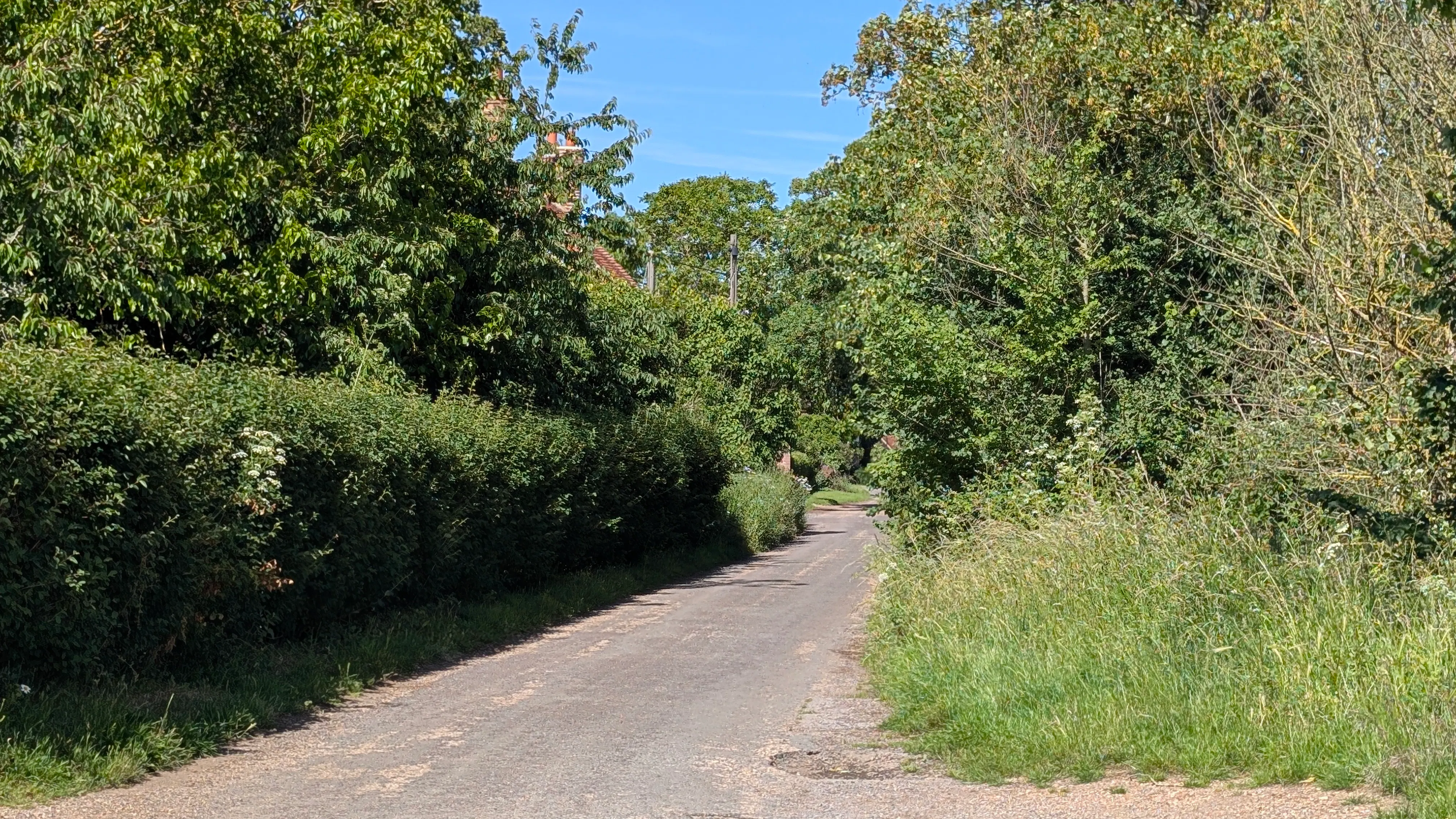
We are trialling a quiet lane on Shepherd’s Pit Lane in Stanton St John. The Shepherd's Pit Lane quiet lane consists of restricted access for motorised vehicles at its junction with Bayswater Road.
This is to be enforced by installing a gate, highway verge protection, and updating the signage in the area to inform other road users of the change.
Space will be made for people walking, wheeling, cycling and horse riding along the lane. Access will be maintained through an alternative route via the B4027 Wheatley Road and Bayswater Road for those who need it, including residents, landowners and emergency services.
What is a quiet lane?
Quiet lanes are designated minor roads and lanes where measures are introduced to reduce motor traffic and create a safer environment for people walking, wheeling, cycling and horse riding.
They are designed to make local roads calmer and more enjoyable to use while maintaining access through alternative routes.
An alternative route must always be available to maintain access for residents, farmers and landowners, local businesses and emergency services.
Are quiet lanes new?
Several historic quiet lanes have been introduced across Oxfordshire in response to local concerns about motorised traffic flows, speeds and road safety. A new approach and pilot programme was approved on 19 May 2026 to provide a clear and consistent way to provide any new quiet lanes. This involved using full filtering (bollards or gates). The county council will now be trialing up to 10 new quiet lanes, of which Shepherd’s Pit Lane is one.
New quiet lanes are voluntary and will only go ahead if they are supported by parish and town councils and local councillors, there is another route motor vehicles can take, and they address local concerns about motorised traffic flows, speeds and road safety.
Why are you using full modal filtering (bollards and gates)?
Oxfordshire's quiet lanes policy uses filtering rather than signage alone because evidence reviewed by the council, including Department for Transport evaluations and findings from the Transport Research Laboratory (TRL), found that sign-only quiet lanes generally deliver little or no reduction in traffic volumes or vehicle speeds. The evidence indicates that reducing through traffic is necessary to achieve meaningful safety, accessibility and active travel benefits.
Why has Shepherd's Pit Lane been chosen?
Shepherd's Pit Lane was identified by local communities and developed with support from local representatives to improve opportunities for walking and cycling between Stanton St John and the surrounding area. The route was under development before Oxfordshire County Council approved its new quiet lanes programme in May 2026 and has now been incorporated into that programme.
What changes are being introduced?
The trial includes installing a gate intended to restrict through motor traffic on the lane, alongside supporting signage and speed limit changes.
These measures are intended to create a safer and calmer environment for people walking, cycling, wheeling or horse riding, while maintaining appropriate access arrangements through an alternative route nearby.
Why are you installing a gate?
All new quiet lane sites will include quiet lane signage and gates or bollards to prohibit motor traffic and achieve the safest outcomes. This is an enhancement to existing Department for Transport policy, going beyond traditional signage-based lanes, and is in line with our responsibilities as the highways authority. They may include a speed limit review.
Can residents still access their homes?
Yes. Access will remain for residents, landowners, farmers, businesses, delivery firms and emergency services and motor vehicles travelling through the area using an alternative route very close by via the B4027 Wheatley Road and Bayswater Road.
Won’t this cause problems with traffic displacement?
Traffic counts undertaken in October 2025 showed that the average daily two-way movements on Shepherd’s Pit Lane were 618 vehicles. Of this, only 274 of these two-way movements were during peak hours. This is considered a minimal impact on the Bayswater Road/B4027 route but traffic data will be monitored throughout the trial.
How long will the trial last?
The trial is being introduced using an Experimental Traffic Regulation Order, known as an ETRO. This allows us to test changes while they are in place and gather feedback.
The statutory consultation period will last for at least six months. The trial can remain in place for up to 18 months while the council gathers evidence and feedback before making a final decision.
How can I share my views?
A statutory consultation opens once the trial is in place and people can see how the measures will operate and begin to feedback on the trial.
You can complete an online survey on this page. The survey will be open for at least six month, suntil at least Friday 26th March 2027. Any potential extension of this consultation will be appropriately advertised.
What monitoring will you do?
Monitoring will include traffic volume and speed data, safety outcomes, and feedback from local councils and users. The council will use this data to check the quiet lane is functioning as expected throughout the trial. The quiet lane can be amended or reversed, as well as made permanent, as part of the ETRO. It is the experimental order which allows this flexibility, which is why they are being used rather than a standard Traffic Regulation Order.
What happens after the consultation?
The council will consider consultation responses alongside monitoring information collected during the trial.
After reviewing the evidence and responding to objections and concerns, the council will decide whether to:
• keep the scheme in place
• make changes to the scheme
• remove the scheme
Any future decision will be taken through the council's formal decision-making process.