FAQs
What did you consider when choosing these sites?
Around 30% of Oxfordshire households don’t have driveways and so cannot install their own EV chargers. We have used data on where the households are that are estimated to lack private off-street parking, along with data on the current EV chargers available and other information about current and future predicted EV usage to inform where we are proposing to install chargers.
The locations we are consulting on now have also been chosen to complement the other parts of the Oxfordshire EV infrastructure programme, with chargers planned for some council owned car parks and other community locations.
How are you considering the heritage and conservation status of some areas?
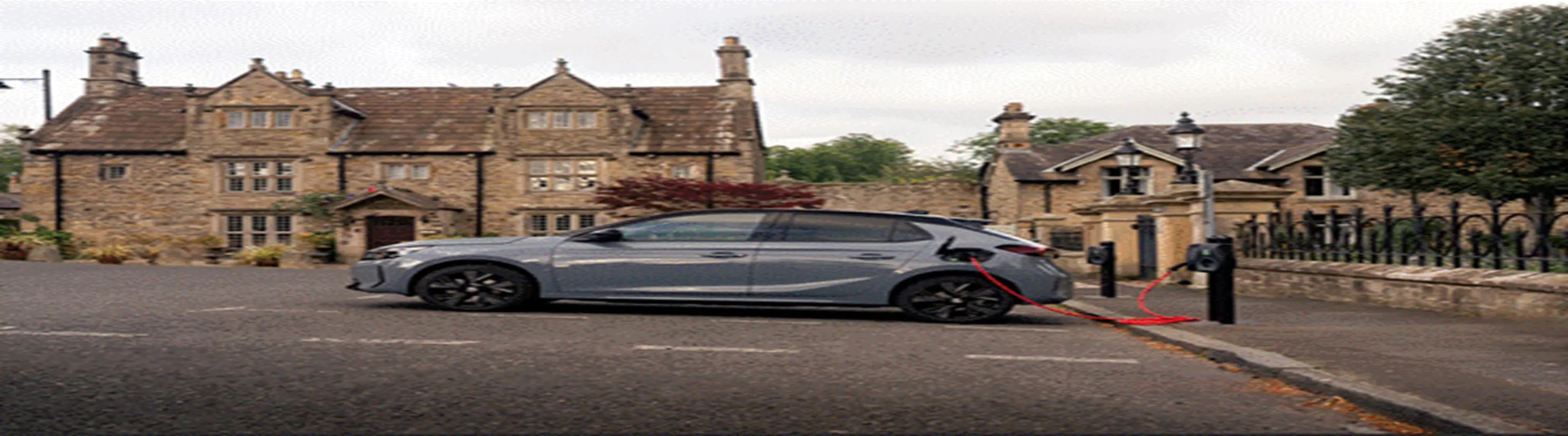
The chargers installed as part of our on-street package of works will be small and discrete. All proposed charger site locations fall under permitted development allowing the county council to install chargers if they are approved as part of this consultation. In all sensitive areas, the project team has liaised with the relevant local planning authorities’ conservation and heritage teams ahead of this formal consultation process.
Are the tariffs provided by these chargers good value for money?
The tariffs that Connected Kerb will charge for the use of these chargers are benchmarked against other comparable chargers and will be kept as low as possible to make driving electric more affordable and encourage people to switch to EV. This includes offering a cheaper overnight tariff of 44p per kW, to encourage overnight charging when vehicles are normally parked for a long period and electricity is more readily available.
Why is four the minimum number of chargers you proposed to install at each site
This number reflects the minimum viable number of chargers that can be cost-effectively installed in one location, considering the high cost of installation and electrical connection, and the economies of scale achieved from installing more chargers. This proposed number of chargers ensures that each location will meet the growing needs of residents as the adoption of electric vehicles increases rapidly over the coming years. Whilst around 7% (1 in 14) cars on Oxfordshire’s roads are currently fully battery electric vehicles, by 2030 this is expected to be 25% (1 in 4) and by 2024 is likely to be 75% (3 in every 4).
EV cars are expensive. Why are you installing EV chargers when no one can afford to use them?
The cost of a new EV is reducing, and the second-hand market is growing. Running an EV can also work out cheaper than a traditional petrol or diesel car. One of the requirements of this government funded programme is that charging infrastructure is installed across the county including in areas where EV usage has room to grow as vehicles become more affordable. The programme intends to ensure that residents in less affluent areas are supported in the transition to EV and not excluded from the benefits of switching.
Will these chargers be restricted for use by EVs only?
Yes, the proposal is that these spaces will be for EV charging only. To make sure these spaces are kept free for EV drivers we are consulting on their locations using a Traffic Regulation Order. This allows the county council to enforce the correct use of these spaces and ensure that vehicles that are not using the chargers are not blocking their access for people wanting to use the chargers. Using a TRO also requires that we collect feedback and we must use that feedback to inform any decision made and before making any changes to the highway.
Are these parking spaces only for residents and restricted to those with parking permits for the area?
The details of the specific parking regulations and restrictions for each site vary and are listed in the consultation documents and plans. Where bays are currently restricted for the use of permit holders only, they will continue to be restricted in this way but permit holders will also need to be charging an EV to use the bays.